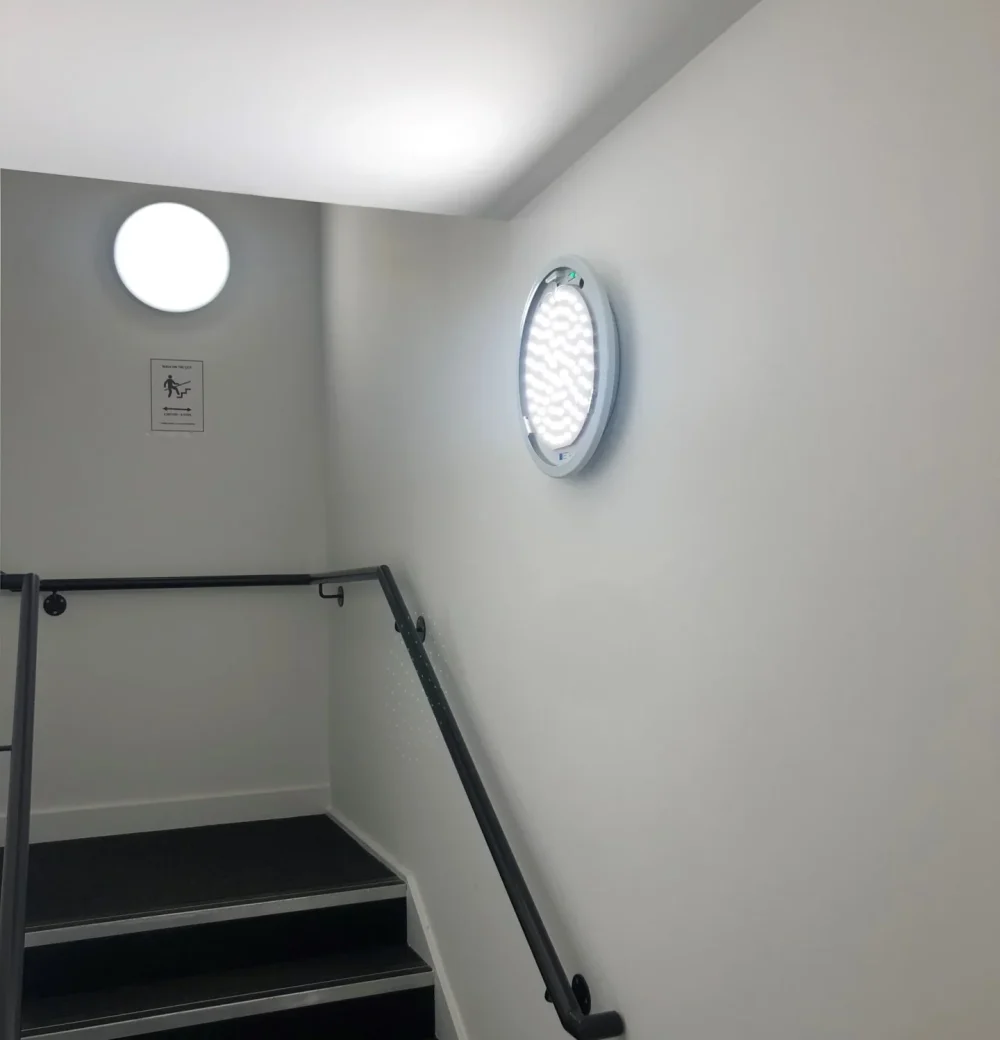
Emergency lighting is critical safety equipment in any building, designed to provide illumination during power failures or emergencies. Emergency lighting testing is essential to ensure the system remains fully functional and compliant with legal standards, including Building Regulations, the Regulatory Reform (Fire Safety) Order 2005, and BS 5266-1. These tests verify that emergency lights activate properly during a power failure, providing reliable illumination to safeguard occupants and meet safety requirements. Adhering to these standards reduces liability risks, safeguards occupant safety, and ensures the system performs reliably during emergencies. Regular testing and maintenance not only help identify and resolve issues early but also enhance the system’s longevity, minimising unexpected repair costs. Additionally, well-maintained emergency lighting contributes to smooth building operations, reassures tenants and visitors, and preserves the property’s overall value and reputation.
Responsible Individuals for Testing Emergency Lights: Roles and Responsibilities
Responsible individuals for testing emergency lights typically include building managers, facility maintenance teams, or appointed “responsible persons” as defined under fire safety regulations. These individuals are accountable for ensuring that emergency lighting systems are tested in line with British Standards (BS 5266) and legal requirements. While smaller businesses may designate internal staff to conduct routine checks, it’s often advisable to engage certified professionals for more comprehensive monthly and annual testing. Whatever is the case, the competent person must maintain proper documentation and schedules.

How often should emergency lighting be tested?
Monthly Emergency Lighting Test
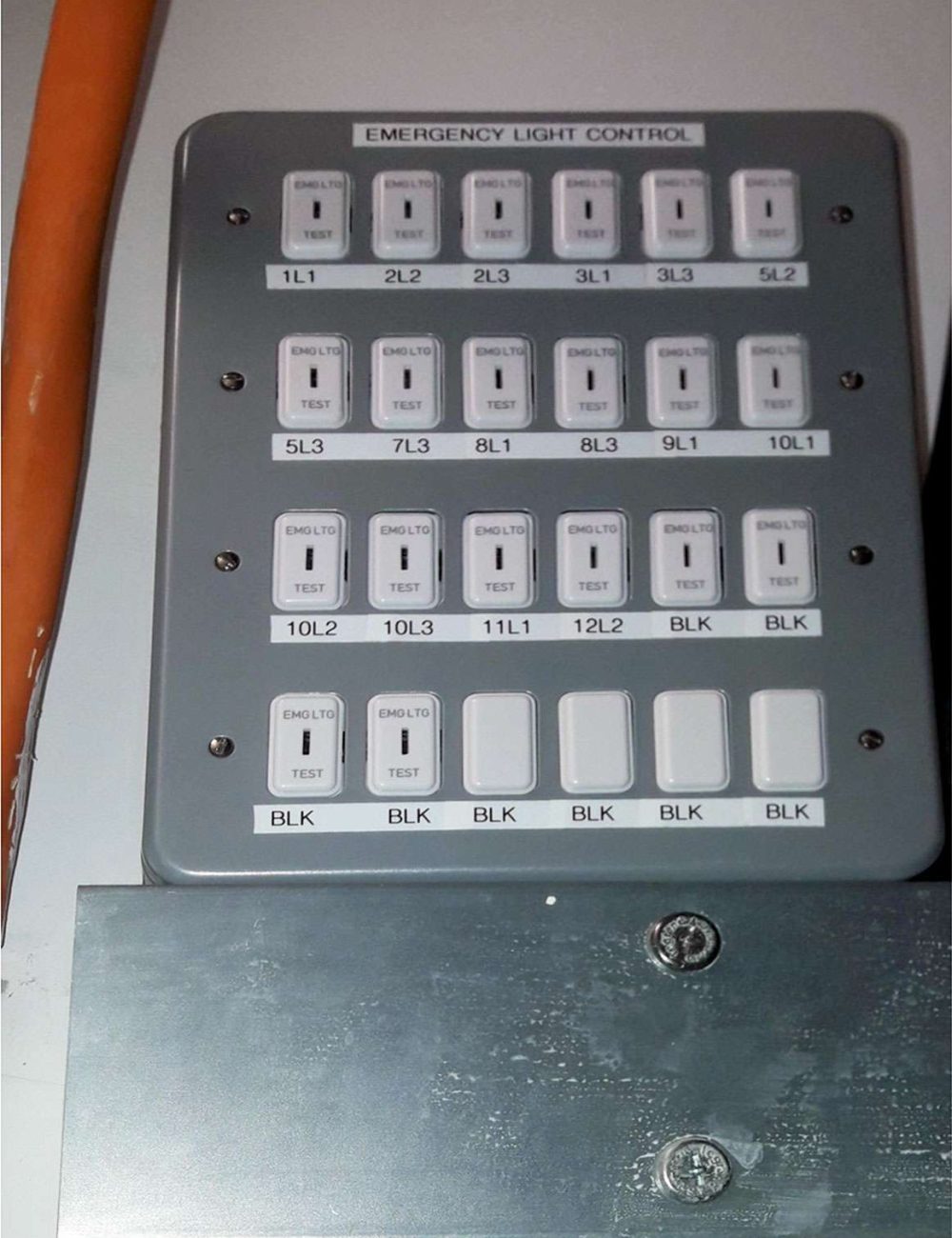
The monthly emergency lighting test is a brief functional check, often called a “flick test.” This test simulates a power failure to verify that all emergency lights activate and illuminate correctly. The test is initiated using a secure device key (e.g., a fish key).
A competent person must inspect all lights to confirm they are illuminating, clean, and undamaged. If multiple lights are controlled by a single switch, each light must be checked for proper function. After the inspection, the competent person will restore the main power supply using the same key switch. Upon restoration of the main supply, a green LED on the light fitting will indicate a healthy system. During testing, the power supply is switched off to simulate a failure, and the lights are checked to ensure they activate and stay illuminated for the required three-hour duration, which is why it’s called the 3-hour emergency lighting test.
Annual Emergency Lighting Test
An annual emergency lighting test or “full duration'” test is conducted to ensure that emergency luminaires function properly during a power failure. The process involves inspecting both maintained and non-maintained emergency lights. Maintained luminaires operate as part of the normal lighting system but include a permanent feed to charge their battery packs. During testing, the power supply is switched off to simulate a failure, and the lights are checked to confirm they activate and remain illuminated for the required three-hour duration. This is the reason why it is also called 3 hour emergency lighting test. Additionally, other than the function check, the inspection includes cleaning the luminaire, verifying battery condition, and measuring light output levels to ensure compliance. After the test, the system is restored, and batteries are allowed to recharge for at least 24 hours. The results from this test are also recorded in the logbook.
Should All Emergency Lights be Tested Together?
Testing all emergency lights together is not always the most effective approach, but it depends on the size and complexity of your building. For smaller premises with minimal emergency lighting, testing all lights simultaneously can save time and streamline maintenance. However, in larger buildings or multi-tenant properties, staggered testing often works better to ensure minimal disruption and prevent system-wide downtime.
Expert Solutions for Reliable Emergency Lighting Systems
At Polyteck, we understand that proper planning and testing of fire safety equipment are critical—not only for compliance but also for the safety and well-being of building occupants. Our expert team works around your schedule, conducting tests before or after working hours to minimise disruption while ensuring your systems perform reliably in all conditions.Prepare for emergencies and take proactive steps to prevent them. Let us support you with a tailored, scheduled maintenance plan or expert emergency lighting installation services.