
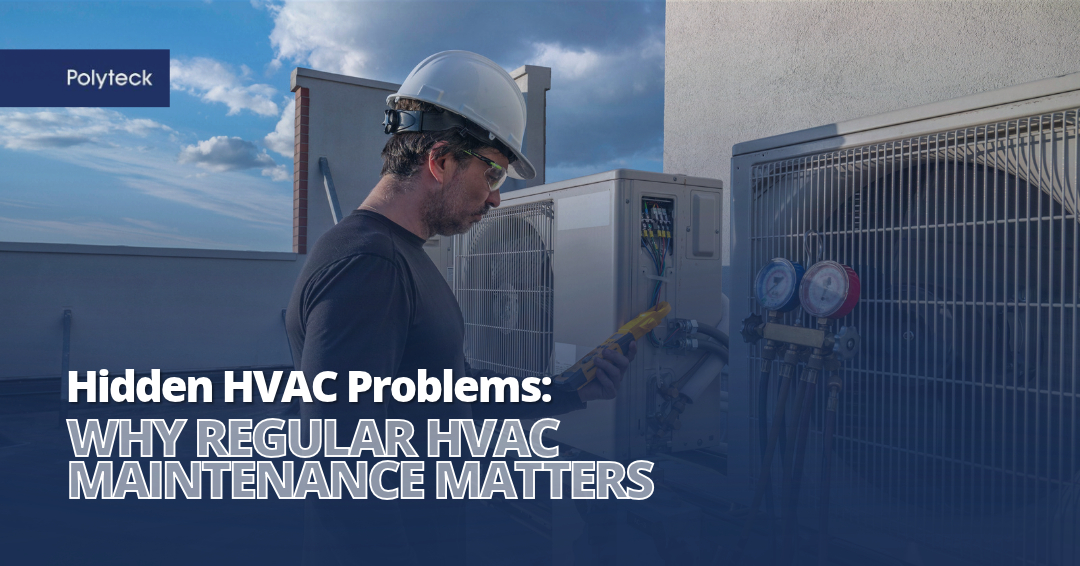
A heating, ventilation, and air conditioning (HVAC) system can seem to run perfectly while problems build up out of sight. Filters clog, coils gather dust, and small leaks go unnoticed for months.
By the time occupants feel the difference, the repair bill is usually much higher than it needed to be. Regular HVAC maintenance brings these issues to the surface early, while they are still simple and affordable to fix.
Dirty or Blocked Filters
Filters are the first line of defence for any HVAC system, yet they are also one of the most overlooked components. As dust and debris build up, airflow drops and the system loses efficiency. Fans and motors then have to work harder to move the same volume of air, which increases energy consumption and adds strain to moving parts.
Blocked filters also affect the air people breathe. Once a filter can no longer trap particles effectively, indoor air quality declines. For this reason, filter checks and timely cleaning or replacement sit at the heart of any good HVAC maintenance plan.
Contaminated Coils Reduce Heat Transfer
Evaporator and condenser coils move heat in and out of the system. When dust and debris coat their surfaces, that heat transfer becomes less efficient. As a result, the system runs for longer to reach its set temperature.
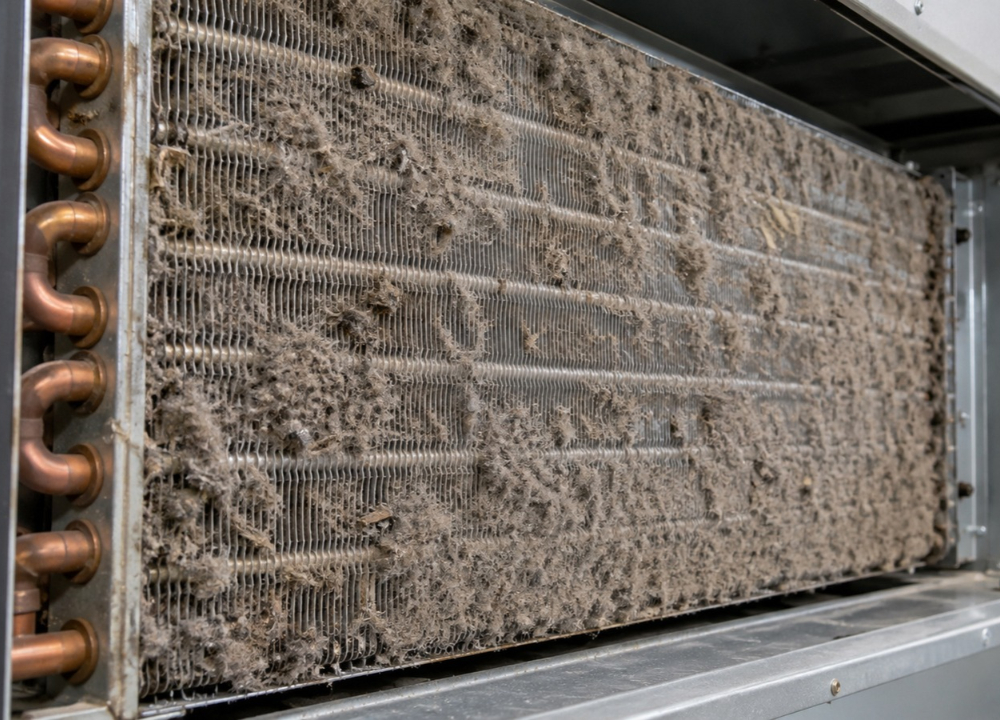
Over time, this extra workload pushes up operating costs and raises the risk of breakdowns. Because coils are often tucked away inside units, contamination is easy to miss without a proper inspection.
Hidden Water Leaks and Blocked Condensate Drains
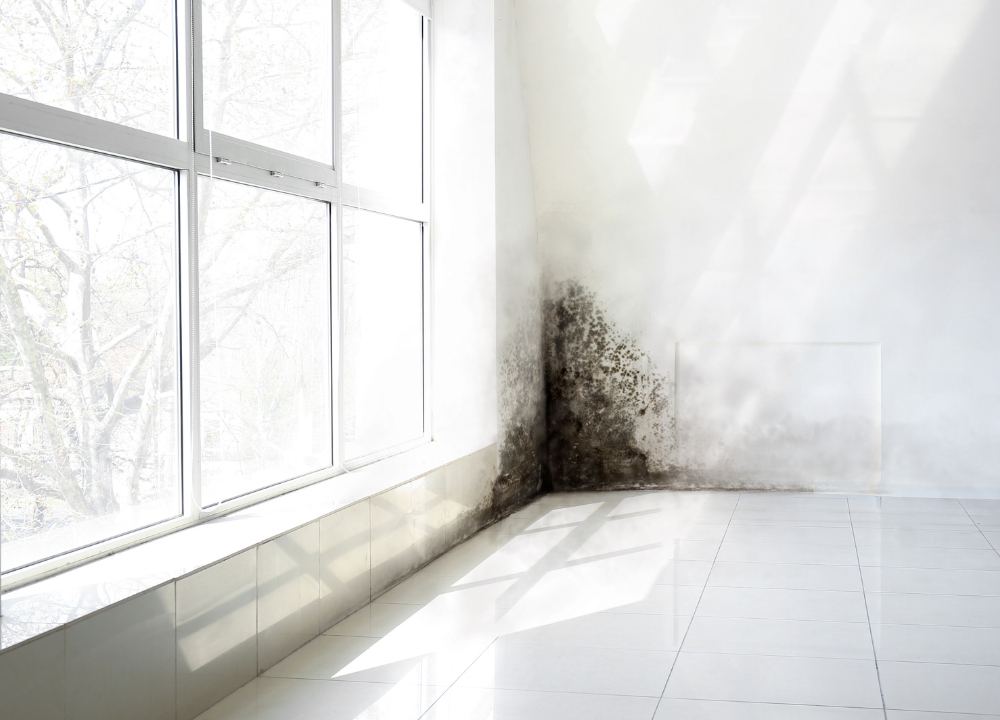
HVAC systems produce condensation as part of normal operation, and that water needs somewhere to go. If a condensate drain becomes blocked, or a small leak develops, water can collect inside the unit or seep into ceilings and walls. The consequences include water damage, mould growth and unpleasant odours.
What makes this issue so costly is that it often goes unnoticed. In many cases, the first sign is a stained ceiling tile or a musty smell, long after the damage has started.
Deteriorating Ductwork
Ductwork carries conditioned air around a building, so its condition has a direct effect on performance. Gaps, loose joints, and worn seals allow air to escape before it reaches the spaces it is meant to serve. Consequently, some areas end up too warm while others stay too cold.
This uneven heating and cooling leads to higher running costs and more complaints from occupants. Since most ductwork sits behind ceilings and inside risers, leaks rarely reveal themselves on their own.
Microbial Growth and Indoor Air Quality
Where moisture and poor maintenance meet, bacteria, mould and other contaminants can begin to grow. Damp surfaces, standing water and dirty ductwork all create the right conditions.
These contaminants then circulate through the building with the air supply. The result is an environment that affects occupant comfort and wellbeing, often without anyone realising the HVAC system is the cause.
Failing Components That Give No Warning
Belts, bearings, motors, capacitors, actuators, and controls all wear over time. Often, they degrade without any obvious sign until the moment they fail. A worn belt or a weakening capacitor can keep working for weeks, then suddenly bring the system to a halt.
Planned HVAC maintenance changes this pattern. Engineers can spot wear during routine visits and replace parts before they turn into costly failures.
Outdated Controls and BMS Issues
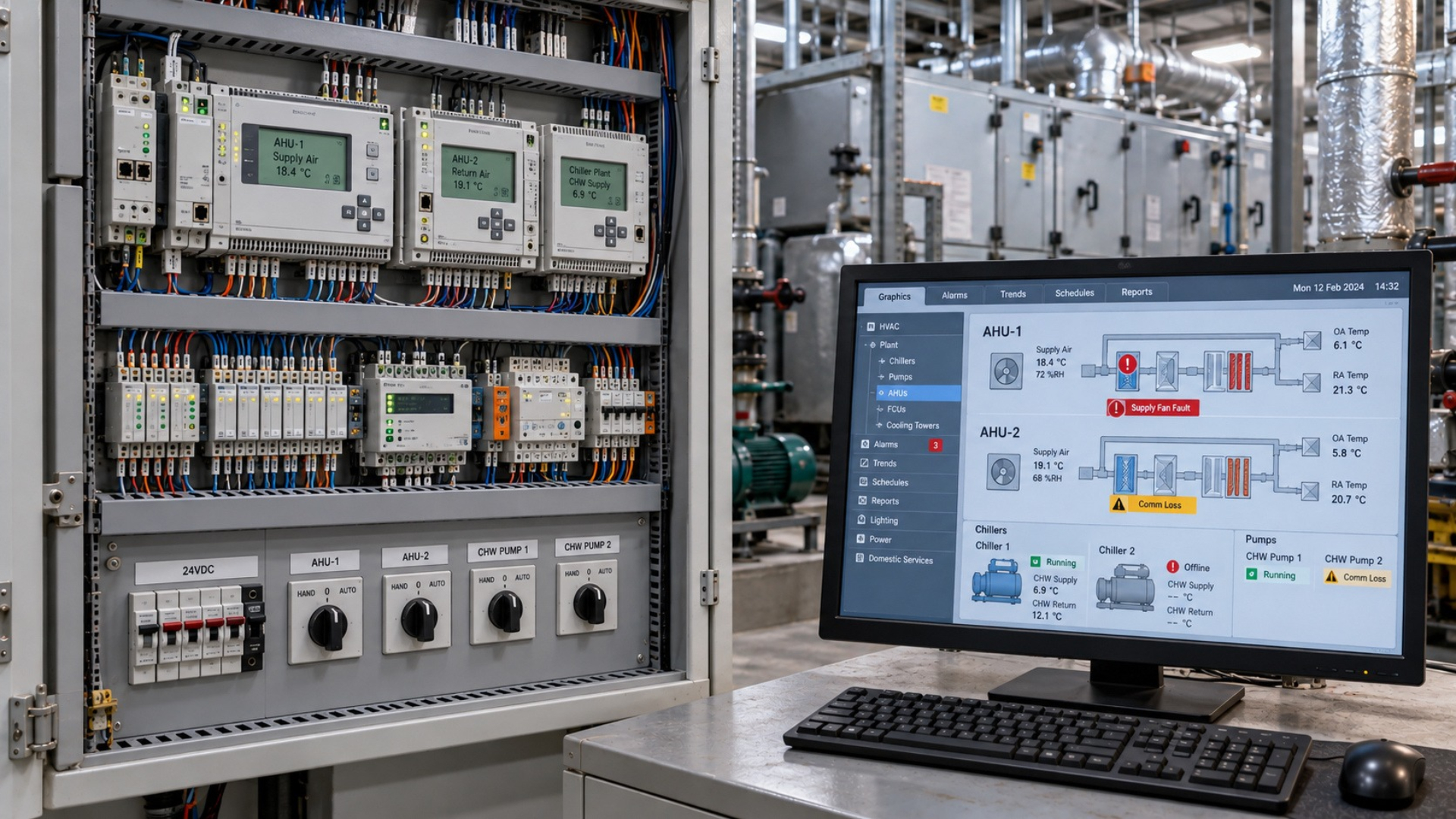
Controls and building management systems (BMS) decide when and how an HVAC system runs. When settings drift, or controls become outdated, the system may operate outside its required schedules, heating or cooling empty spaces. In some cases, heating and cooling run at the same time, which significantly increases energy use.
Because the building still feels comfortable, these faults can continue unnoticed for long periods. Meanwhile, clear opportunities to fine-tune performance and lower energy bills are missed.
How Polyteck Identifies and Resolves Hidden HVAC Issues
Polyteck’s approach centres on finding problems early, before they affect comfort, compliance or budgets. Through Planned Preventative Maintenance (PPM) programmes, engineers identify developing issues during scheduled visits. This work is supported by air quality assessments, filter management, coil cleaning, hygiene inspections, thermographic inspections and condition monitoring.
Polyteck also carries out energy efficiency reviews and provides compliance support and asset lifecycle planning. When an inspection uncovers a problem, rapid response and remedial works mean it is dealt with promptly. Where a system has reached the end of its working life, Polyteck manages full replacements, as shown in its ventilation system replacement case study.
The Value of an Experienced HVAC Maintenance Partner
Working with an experienced HVAC maintenance contractor is one of the most effective ways to control energy costs and keep a building performing well. Since the biggest problems are often the ones nobody can see, a partner who knows where to look makes a real difference.
The strongest results come from combining several measures. Energy efficiency reviews show where a building is losing energy, while well-maintained controls and BMS settings make sure systems run only when they are needed. Planned maintenance then keeps every component working as it should.
Together, these measures lower running costs, improve reliability and keep occupants comfortable. Over time, they also extend equipment life and reduce the need for emergency repairs, giving building owners lasting value from their HVAC systems.