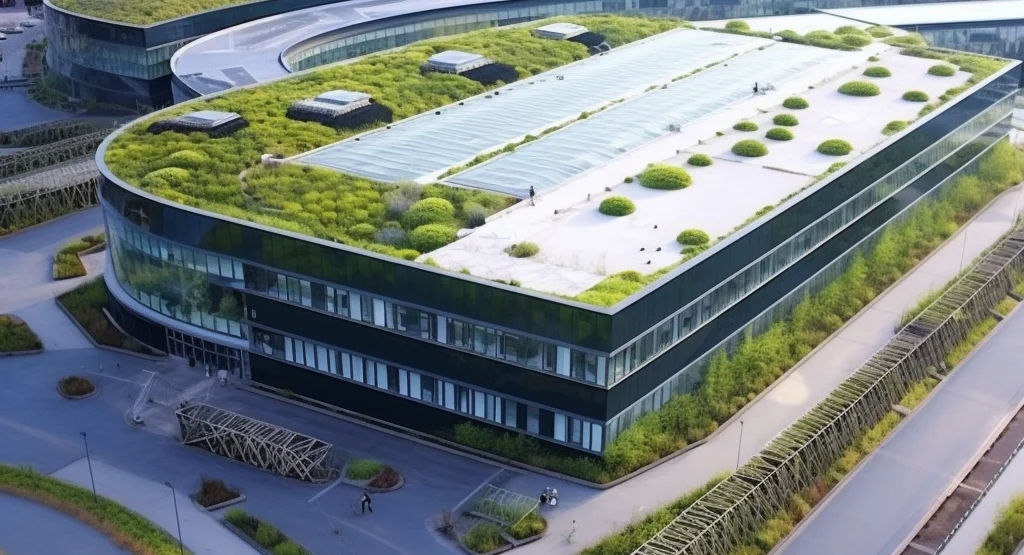
Sustainable goals have become the epicentre of modern living and a necessary paradigm shift for businesses to implement in response to the global crisis of Global Warming. These problems are faced by all facility managers who have the responsibility to manage and maintain buildings and facilities, ensuring their efficiency and sustainability.
Addressing Environmental Challenges: A Call for Sustainable Solutions
Firstly, the use of electricity releases vast amounts of greenhouse gases and pollutants into the atmosphere, contributing to the alarming warming of our climate and disruptive weather patterns.
Secondly, irregular maintenance practices escalate energy and resource costs, leading to heightened emissions of toxic gases and environmental pollution, exacerbating the already concerning situation.
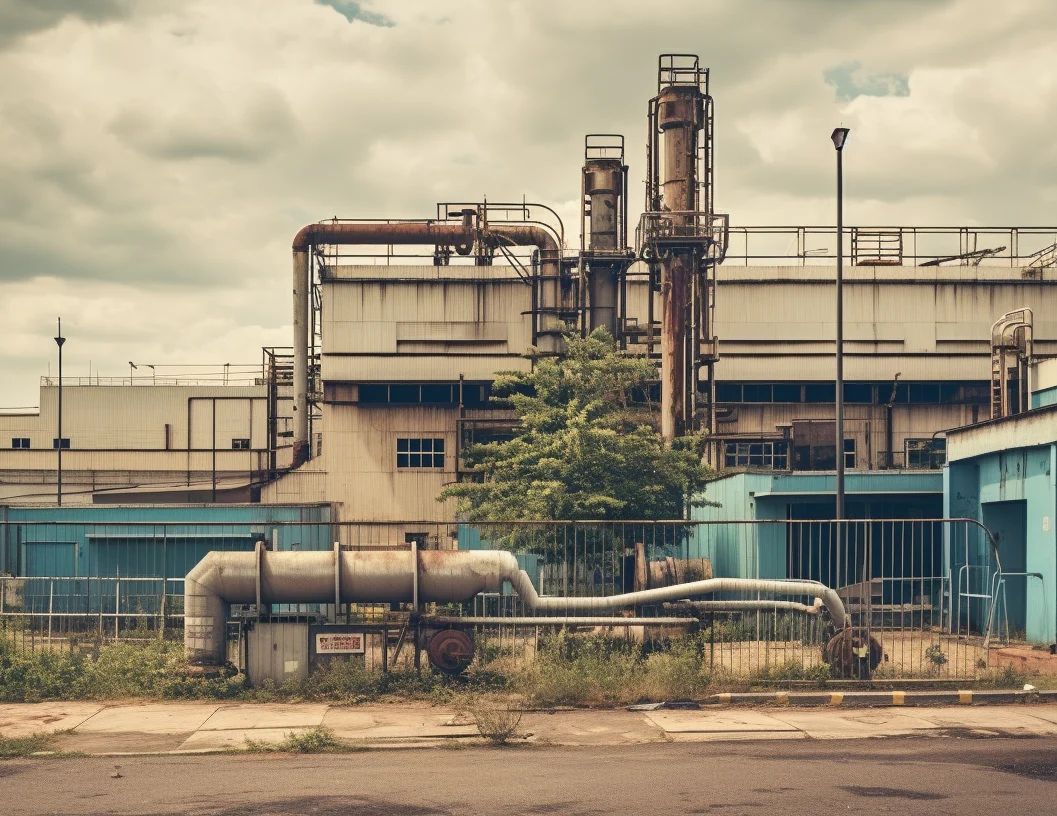
Moreover, the uncontrolled use of water results in wastage that detrimentally affects humanity. Recognizing that water is a precious and renewable resource, it becomes vital to incorporate responsible water management within our sustainable development strategies.
Finally, the generation and disposal of waste are directly linked to the pollution of soil, and water bodies, and harmful emissions. Addressing this waste issue is paramount for fostering a cleaner and healthier environment.
The Escalating Problem to Achieve Sustainability Goals
Humans are undeniably crucial factors in the constantly changing landscape of sustainability. Lack of understanding and inaction poses formidable obstacles in the path towards achieving sustainability goals. It’s disheartening to see that many businesses are yet to grasp the true value of sustainable objectives and their profound impact on safeguarding our precious environment.
Even though there is increasing interest in sustainability, some businesses are still hesitant to completely embrace it. Without wholehearted commitment, reaching those sustainability goals becomes an uphill battle.
In this complex process of sustainable endeavours, cooperation between governments, organisations, managers of facilities in the UK and even individual citizens is extremely important.
Who Is Responsible For Implementing The Sustainable Goals?
The implementation of the 2030 Agenda is not the responsibility of a single government or institution alone. All stakeholders, including the executive branch, private sector, NGOs, project managers, and civil society, are resolutely accountable for propelling the Sustainable Development Goals (SDGs) into action in the UK.
The UK government has seamlessly integrated the 17 SDGs and 169 goals of the 2030 Agenda for Sustainable Development into its national development plans. Each of these objectives deals with imperative issues relating to environmental preservation, climate change mitigation, and sustainable development.
To fervently support environmental preservation, combat climate change, reduce waste, embrace green technology, and strive for zero emissions, numerous businesses have wholeheartedly embraced corporate social responsibility (CSR) programs by intricately integrating sustainability principles into their daily operations.
The Power of Sustainable Goals: Why do we need them?
If you want to be well prepared and adapt to regulations, requirements and global trends, bet on sustainability goals. It is a powerful strategy that ensures eco-friendly practices that keep our planet green.
Choose sustainable goals and cut your business towards more efficient and green practices. Many innovative solutions are inspired by environmental concerns and thus encourage organisations to adopt green technologies, reduce waste and minimise carbon footprints.
If you think that sustainability goals are limited to environmental benefits, you are wrong. The positive effect of aiming for sustainability increases the trust of your customers as well as your brand image. By adopting long-term objectives, any business can attract more customers as well as reduce costs in the long run.
The Global Journey Towards a Greener Future
The whole world is coming together around the idea of sustainable goals and bringing innovative approaches and solutions that bring change. The main place is occupied by green technologies, which turn the ecological problem into an opportunity for progress. Governments support sustainability by creating the right frameworks and initiatives for green economies.
Unnecessary waste becomes a resource after proper recycling. Energy-efficient technologies contribute to the optimal use of energy, reducing the negative impact on the environment.
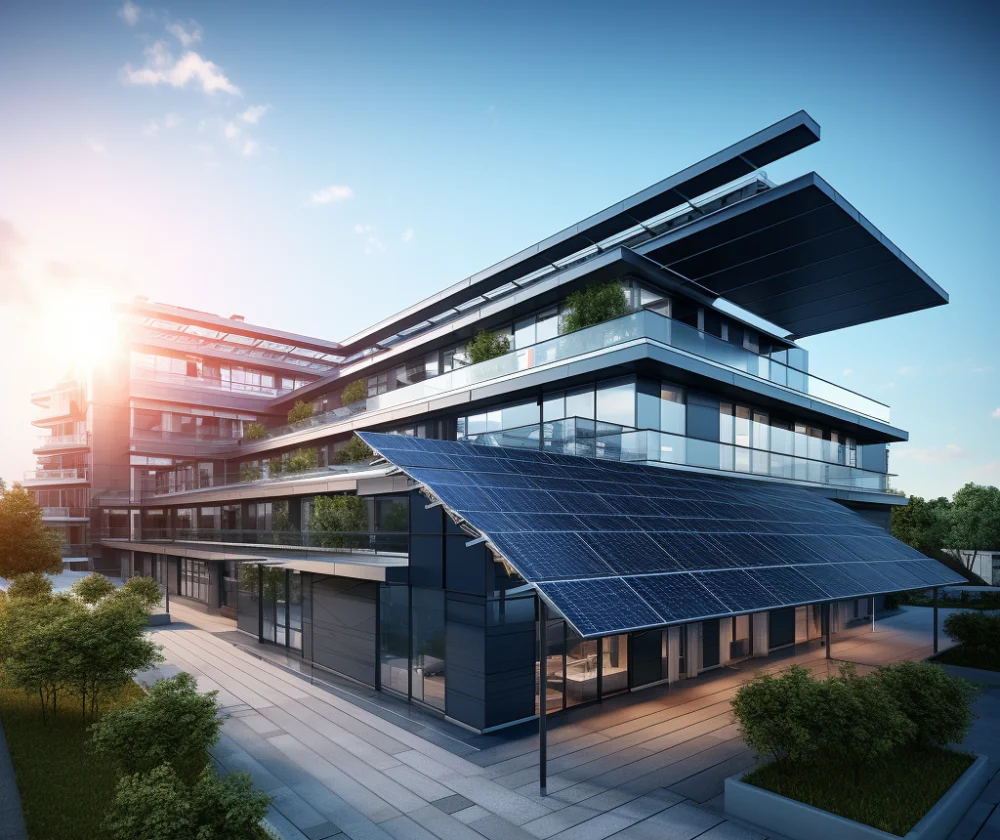
Green building ideas are becoming a symbol of sustainability, uniting innovation with environmental awareness. Emission reduction strategies contribute to balancing the carbon footprint and protect the climate.
Polyteck’s Unwavering Commitment to a Greener Future
At Polyteck, we are committed to reaching those long-term goals with the help of innovative technologies like BMS and IoT Systems. When we implement these solutions in our clients’ buildings, it’s like giving their equipment a new lease on life, cutting down on waste, and bringing those energy costs way down. And you know what’s even better? It means you’ll save big bucks in the long run and effortlessly reach those sustainability goals.
Our BMS and IoT remote monitoring services are critical to building efficiency and lifecycle extension. We ensure that your facilities perform efficiently, reducing future repair and maintenance costs while supporting your sustainability goals. With our industry-leading BMS and IoT solutions, you can rely on Polyteck to improve your facility’s performance and reduce its environmental impact.
The Impact Of BMS And Iot Solutions For Sustainable Goals In Facility Management
To show our commitment to a greener future and the effect achieved by our innovative technologies, we will present several buildings in which we have installed BMS and IoT systems.
We implemented BMS and IoT systems in Mulberry School facilities for real-time controlled heating, cooling and lighting management, and we achieved a remarkable 35% reduction in electricity costs. This has contributed to increased energy efficiency, leading to significant savings in energy costs and reduced carbon emissions.
In a residential complex, Polyteck has installed IoT devices to monitor the use of irrigation water and automatically adjust the flow. This innovative solution has led to significant reductions in water costs and improved sustainable resource management.
The global call for sustainable solutions is more urgent than ever, and businesses must take responsibility to address environmental challenges. Embracing sustainability not only benefits the planet but also enhances brand image and attracts eco-conscious customers. Governments, organisations, and individuals must come together to drive sustainable development and combat climate change.