
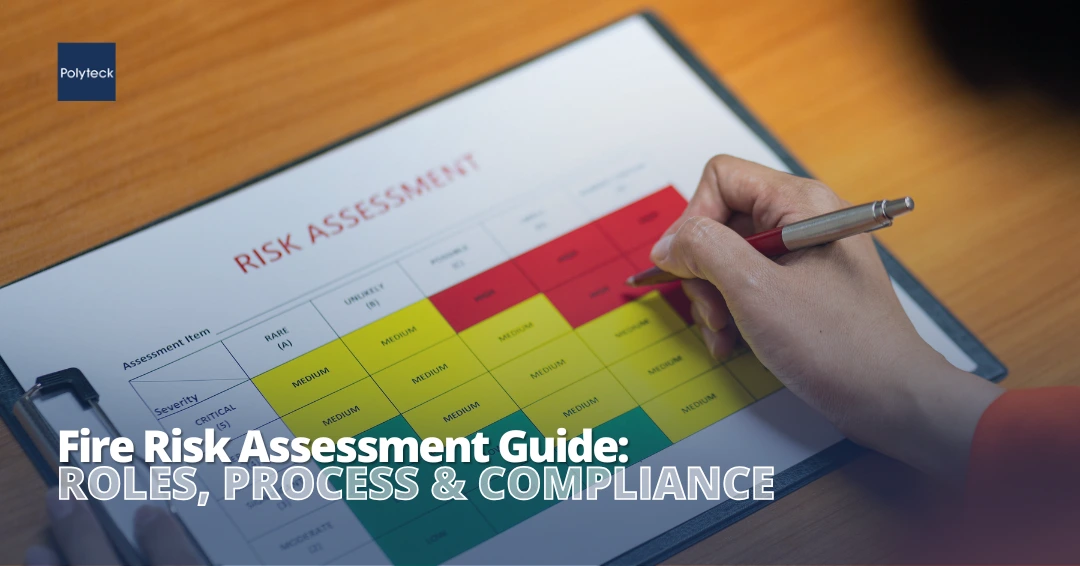
The Responsible Person has a legal duty to carry out a fire risk assessment. This individual may be an employer, property owner, landlord, managing agent, facilities manager, or building owner. According to the Regulatory Reform (Fire Safety) Order 2005, this role is assigned based on factors such as premises type, size, and occupancy level. The fire risk assessment should be reviewed regularly, and a new assessment should be conducted at least every 3-5 years or whenever significant changes to the building occur.
For instance, a landlord managing a block of flats needs to conduct regular checks. These include inspecting the electrical system, ensuring fire exits are unobstructed, and removing flammable materials from communal areas. In essence, they must ensure occupants can evacuate easily and safely. If the Responsible Person lacks the competence to perform a fire risk assessment, they must delegate it to a qualified professional. However, the ultimate accountability for fire safety remains with the Responsible Person.
What is Included in a Fire Risk Assessment?
A rise in UK fire incidents, with a 16% increase in 2022, highlights the critical importance of fire risk assessments. A comprehensive fire risk assessment includes several key steps. First, it identifies fire hazards within the premises, followed by assessing who might be at risk, such as employees, residents, or visitors. Fire safety measures, including alarms and extinguishers, are reviewed, and recommendations for improvements are recorded in a Fire Safety Log Book. Regular reviews of the assessment are crucial to ensure ongoing fire safety compliance with changing regulations and adjustments to the building.

Competent Person vs Responsible Person
In fire safety management, the Responsible Person and the Competent Person have distinct roles. The Responsible Person is legally accountable for fire safety in a building, ensuring compliance with all fire safety regulations. The Competent Person, on the other hand, has the skills needed to assess fire risks. While the Competent Person may assist in assessments, the Responsible Person holds final accountability for fire safety.
According to the Fire Risk Assessment Competency Council, a Competent Person should understand fire safety laws, fire behaviour, and risk assessment processes. In certain cases, such as in construction, they may need qualifications like NEBOSH or IOSH certifications. When working together, the Responsible Person and Competent Person create a safer environment by managing fire risks effectively.
How to Prevent the Risk of Fire
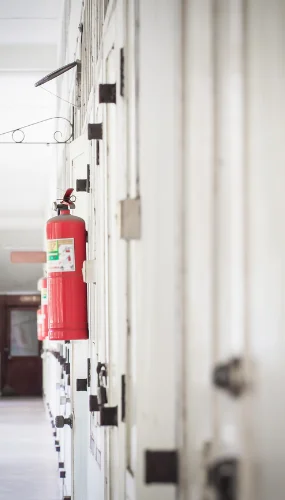
Effective fire risk prevention begins with routine fire safety risk assessments, updated as needed. Proper fire safety measures should be implemented, including the installation of alarms and extinguishers. Providing staff with fire safety training on emergency protocols improves preparedness, ensuring everyone knows how to respond in a fire. Clear evacuation routes, marked with fire safety signage, along with regular maintenance of safety equipment, are fundamental to an effective fire safety plan.
An often overlooked aspect of fire prevention is the concept of fire load. Calculating fire load requires identifying and quantifying all combustible materials within the building, such as furniture, equipment, and stored items. By assessing the fire load, organisations can gauge the potential severity of a fire and take preventive measures.
Consequences of Non-compliance with Fire Risk Assessment Regulations in the UK
Failing to comply with fire safety regulations under the Fire Safety Order (FSO) in the UK can lead to serious consequences. Beyond legal penalties, non-compliance increases the risk of fire incidents, potentially resulting in injuries, fatalities, or severe property damage. In cases of severe non-compliance, authorities may order building closures, severely impacting business operations.
Penalties for fire safety breaches can be substantial, with fines sometimes exceeding £1 million. In 2022, BUPA faced a £937,500 fine due to fire safety failures, underscoring the gravity of such infractions. Ensuring fire safety compliance involves regular fire risk assessments, implementing necessary safety measures, and staying informed about evolving regulations. Compliance is thus not only a legal requirement but also a vital aspect of safeguarding lives and property.
Fire Safety Systems and Their Role in Protecting Occupants and Buildings
Modern fire safety systems increasingly integrate components like fire alarms, sprinklers, and smoke controls into a single, cohesive unit. Fire safety is continually advancing, with innovative solutions emerging to detect and respond to fire threats. For instance, video smoke and flame detection systems analyse CCTV footage using complex algorithms to identify smoke or fire, especially in large areas where standard detectors may be less effective.
Aspirating smoke detection systems gather air samples through pipes, enabling early smoke detection in sensitive environments such as data centres and historic buildings. Meanwhile, water mist fire suppression systems, which use less water than traditional sprinklers, are ideal for protecting areas with flammable materials, delicate electronics or where water damage could be a concern.
The Role of Facilities Management in Fire Risk Assessment
Facilities management plays a crucial role in maintaining fire safety in a building. Their responsibilities include implementing fire safety measures, conducting regular fire safety inspections, creating evacuation plans, installing fire alarms and extinguishers, and ensuring compliance with UK fire safety regulations. Additionally, facilities managers coordinate fire safety training to equip staff with the knowledge to respond effectively during emergencies.
Partnering with a qualified fire risk assessment consultant can enhance the building’s safety. These consultants provide specialised knowledge in identifying and mitigating fire hazards. They can conduct thorough fire risk assessments, develop tailored fire safety strategies, and offer guidance to building managers, ultimately contributing to a safer environment for all occupants.