
EICR and Fixed Wire Testing are essential for maintaining the safety, efficiency, and compliance of a building’s electrical systems. These processes involve inspecting and testing fixed installations such as wiring, sockets, and distribution boards. Regular electrical inspections help minimise risks, improve system performance, and ensure long-term energy efficiency.
Statistics show that more than half of accidental domestic fires originate from electrical faults, according to UK Fire Safety Reports. These fires often result from undetected issues like faulty wiring or overloaded circuits. The NICEIC compliance guidelines also highlight the importance of regular inspections to ensure electrical systems meet required safety standards. Regular electrical safety checks prevent such risks and protect both property and lives.
What Are EICR and Fixed Wire Testing?
EICR involves evaluating the condition of electrical installations to ensure they meet BS 7671 standards. This process includes visual assessments and technical tests to check insulation resistance, polarity, and earthing. Similarly, Fixed-Wire Testing examines the performance of fixed wiring under live and dead conditions.
These inspections are necessary for all property types, including residential buildings, offices, and industrial facilities. Facilities maintenance teams often identify problems in older properties where electrical systems no longer meet modern safety standards. For instance, many older buildings lack proper earthing and insulation, which increases the risk of faults. Upgrades in such cases become critical to ensure safety and compliance.
Why Are Regular Electrical Inspections Important?
Routine electrical inspections offer several key benefits. First, they identify hazards like overloaded circuits or frayed wiring that could cause fires or injuries. Second, they ensure compliance with legal requirements, reducing liability risks.
Property managers know that proactive inspections reduce costs by avoiding costly emergency repairs. For example, addressing an overloaded circuit during a scheduled Fixed Wire Testing session prevents unexpected outages during peak business hours. By catching issues early, facilities managers improve safety and minimise disruptions.
Legal Requirements for Electrical Inspections
Properties must adhere to strict regulations to maintain safe electrical systems. For example, rented properties require EICR assessments every five years or when tenancies change. Commercial buildings often need testing more frequently due to higher usage demands.
Facilities maintenance providers frequently encounter property owners who misunderstand these requirements. Some believe an inspection is only necessary when a fault arises. However, failure to conduct regular compliance testing can lead to penalties, invalid insurance claims, or even legal action if a fault causes harm.
The Inspection Process Explained
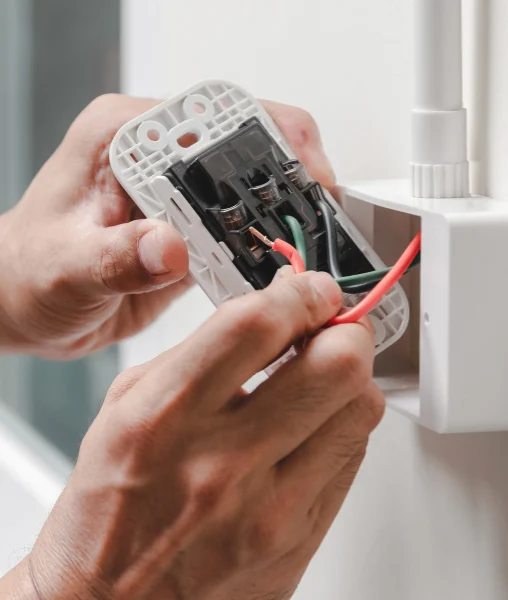
An EICR or Fixed Wire Testing follows a clear process. It begins with a pre-assessment, where electricians review previous reports and survey the property layout. The next step involves a visual inspection, checking components like wiring and sockets for wear or damage.
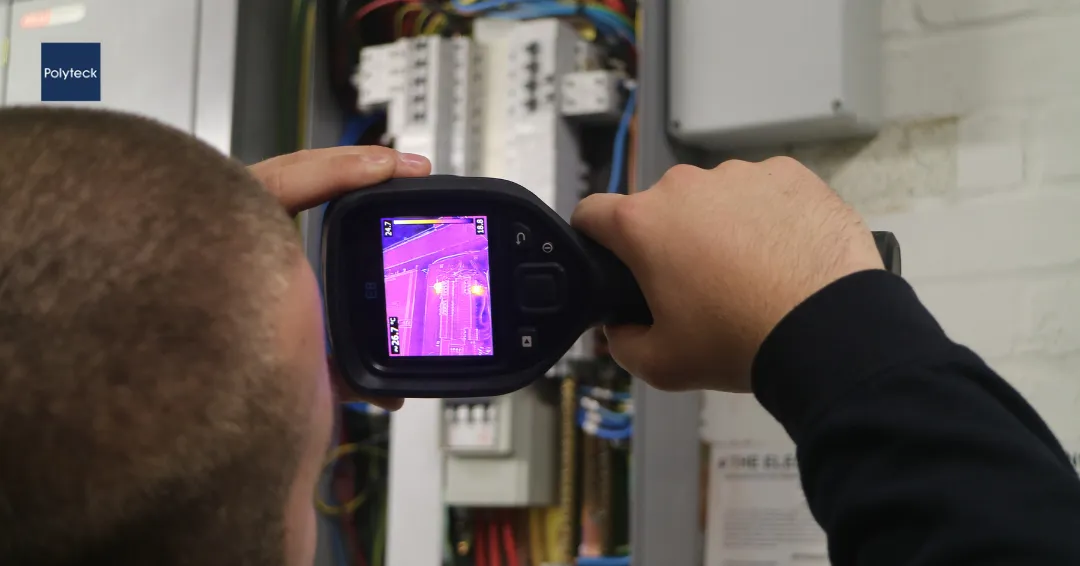
The inspection itself involves two key phases: visual and technical checks. Visual inspections identify wear and tear, signs of overheating, or damage to wiring, sockets, and distribution boards. Following this, technical testing is performed, including insulation resistance testing, earth continuity checks, and polarity testing. Advanced tools like thermal imaging technology may also be used to detect invisible faults, such as overheating circuits or weak connections, enhancing inspection accuracy.
Once the inspection is complete, a detailed report is generated. This report categorises the system as “satisfactory” or “unsatisfactory” based on compliance with UK Electrical Standards (BS 7671). Key findings include identified faults, their severity, and actionable recommendations. For example, common issues like overloaded circuits or outdated wiring might require immediate attention. Property owners can promptly act on the report’s recommendations to prevent costly disruptions and maintain electrical safety standards.
Who Needs EICR & Fixed Wire Testing?
Landlords, property managers, and managing agents all need EICR and Fixed Wire Testing to ensure safe and compliant electrical systems. For landlords, regular electrical inspections are more than a legal obligation—they provide peace of mind that tenants are protected from hazards. Faulty wiring or overloaded circuits can lead to costly liability issues, so staying ahead with inspections is crucial.
Property and facility managers rely on these tests to prevent disruptions in operations. Electrical faults can cause downtime or damage, both of which are expensive to resolve. Inspections also offer a proactive approach to identifying problems before they escalate. For managing agents, EICR reports are valuable tools for maintaining compliance across portfolios and boosting client trust and satisfaction.

Moreover, EICR testing supports energy-efficient retrofits. By identifying inefficiencies in electrical systems, owners and managers can upgrade for lower energy costs while enhancing safety and reliability.
Read what our clients have to say: Client Feedback
EICR vs. PAT Testing vs. Thermal Imaging
Understanding the differences between EICR, PAT Testing, and Thermal Imaging is crucial for ensuring electrical safety and compliance:
| Inspection Type | Purpose | Best for | Testing Method |
| EICR (Electrical Installation Condition Report) | Assesses fixed wiring, circuits, and installations for compliance and safety | Residential, commercial, and industrial properties | Visual inspections, insulation resistance testing, polarity and earthing checks |
| PAT Testing (Portable Appliance Testing) | Ensures portable electrical appliances are safe to use | Offices, rental properties, and workplaces with electrical equipment | Visual checks, earth continuity, and insulation resistance tests |
| Thermal Imaging | Identifies overheating and hidden faults in electrical systems | High-risk facilities, data centres, and industrial sites | Infrared cameras detect temperature variations in wiring and equipment |
Choosing the right inspection depends on the type of electrical system, risk level, and compliance requirements. While EICR focuses on fixed wiring safety, PAT testing ensures portable appliances are safe, and thermal imaging provides an advanced, non-invasive way to detect hidden faults before they cause serious damage.
Common Electrical Problems Identified
Inspections often reveal outdated wiring that poses serious safety risks. Older properties may have wiring systems that lack proper insulation, making them prone to faults or inefficiencies. Overloaded circuits are another frequent issue, particularly in commercial buildings with heavy equipment or IT systems.
One common case involves improper earthing, which increases the likelihood of electric shocks during surges. In a recent example, an industrial client experienced recurring equipment failures due to poor bonding in their electrical system. Resolving the issue enhanced safety and also improved the facility’s operational reliability.
Benefits of Routine EICR and Fixed Wire Testing
Facilities managers can take proactive steps to maintain Electrical Safety and avoid emergencies. Schedule EICR and Fixed Wire Testing during off-peak periods to minimise disruption and ensure thorough inspections. Collaborate with NICEIC Certified electricians trained to identify complex issues and provide detailed reports.
Consider implementing interim visual inspections to spot early warning signs like scorched outlets or flickering lights. Regular maintenance also creates opportunities to upgrade inefficient systems. For example, replacing outdated lighting with LEDs or installing power factor correction devices reduces energy waste. Incorporating thermal imaging technology into inspections helps detect hidden faults, offering property owners peace of mind. For instance, a retail facility used EICR findings to replace outdated lighting with energy-efficient alternatives. This change reduced their energy costs by 25%, aligning with their sustainability goals. For instance, a retail facility used EICR findings to replace outdated lighting with energy-efficient alternatives. This change reduced their energy costs by 25%, aligning with their sustainability goals.
How to Choose a Reliable Electrician
Selecting the right professional for EICR and Fixed Wire Testing ensures accurate results. Always choose electricians accredited by NICEIC or NAPIT. These certifications guarantee compliance with industry standards. Experienced professionals can handle complex systems and identify subtle issues that less experienced electricians might overlook.
Modern tools also play a crucial role. Using thermal imaging technology enables electricians to detect hidden faults quickly. This advanced equipment enhances the accuracy of inspections and helps facilities managers prioritise repairs effectively. Before hiring, ask for detailed reports and ensure the electrician’s experience matches the complexity of your property. Always review references and past projects to ensure the electrician has a proven track record of success. The portfolio showcases successful collaborations and satisfied clients. Always review references and past projects to ensure the electrician has a proven track record of success.
EICR and Fixed Wire Testing are vital for maintaining safe and compliant electrical systems. These inspections prevent hazards, optimise energy use and extend the lifespan of electrical infrastructure. Facilities managers benefit from reduced operational risks, cost savings, and improved safety.
Property managers can effectively address current and future needs by partnering with qualified electricians who use modern tools like thermal imaging technology. Don’t wait for a fault to occur. Schedule your electrical inspection by Polyteck today.