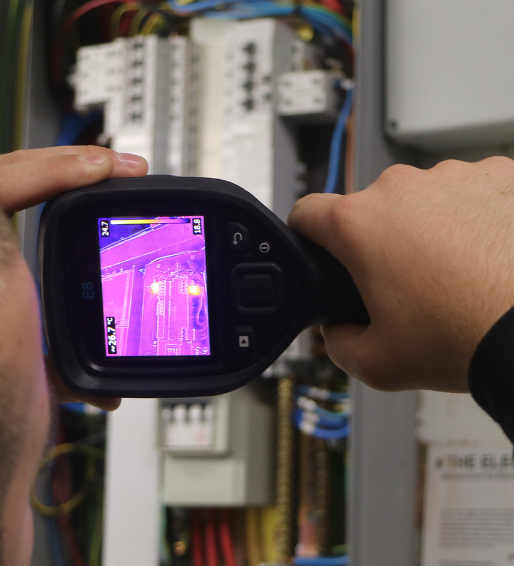
Power cuts may be harmful to businesses, impacting daily operations and resulting in large losses. Lack of power can cause manufacturing lines to stop, communication systems to malfunction, and everyday operations to be hindered, resulting in downtime and decreased output. A Federation of Small Businesses (FSB) study found that power outages cost UK companies £11,000 on average every hour. This figure emphasises how crucial it is to fund preventative electrical repair to lessen the cost effects of power outages. Facilities management providers are essential to guaranteeing businesses have a steady supply of electricity. They may reduce the likelihood of power outages by identifying any problems early on through proactive electrical maintenance, before they become more serious concerns. For efficient and smooth operation, businesses mainly depend on a constant power supply. Any power outage can lead to financial losses, operational disruptions, and reputational harm.
Understanding the Impact of Power Cuts on Businesses
Many reasons, including aged infrastructure that cannot keep up with demand, extreme weather that damages electricity lines, and unintentional damage during building projects, can cause power outages. When power outages occur in London, businesses suffer major operational interruptions, financial losses, and reputational harm. Both income sources and productivity levels may be negatively impacted by these interruptions.
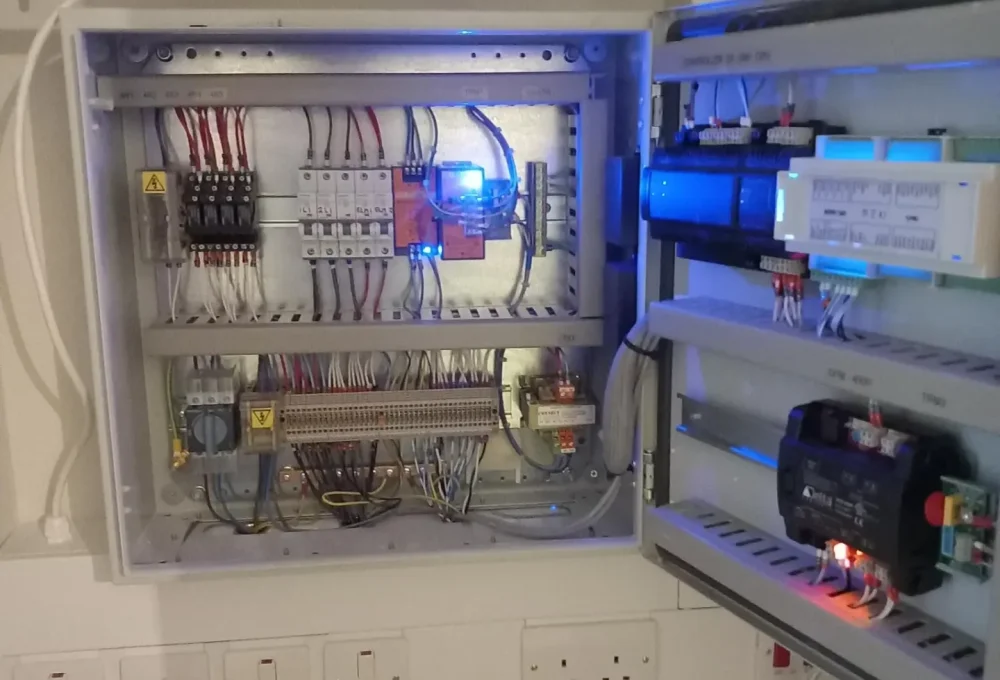
In addition, companies have to handle data security threats, manage regulatory compliance, and lessen the detrimental effects of power interruptions on consumer satisfaction. Power outages can also cause problems for the supply chain, which makes it harder for companies to run their operations efficiently. When there are power outages, health and safety issues in London’s metropolitan setting present further difficulties.
How to be Safe and Prepared in Power Outage?
Businesses should concentrate on a few essential steps in order to keep staff safe and operations operating efficiently during blackouts. First, continuous functioning requires backup power sources like solar panels or generators. To comply with safety regulations, emergency light batteries must be checked regularly. Workers have to know what to do in the event of an outage by developing an emergency response plan and doing frequent training. Maintaining emergency supplies such as flashlights, batteries, first aid kits, and food is also important. Creating channels of communication and working together with local government agencies and utility companies improves preparedness and reduces interruptions. Businesses may safeguard their operations and efficiently handle power disruptions by using these precautions.
Importance of Proactive Electrical Maintenance
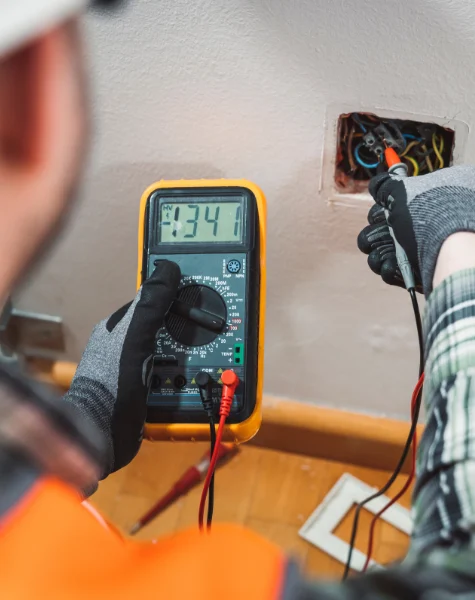
Electrical system reliability is dependent on preventive maintenance procedures. Early diagnosis of wear, damage, or malfunctioning components is made possible by routine inspections and testing.
Proactive maintenance foresees and reduces possible problems in order to meet the risks associated with ageing infrastructure and shifting environmental circumstances. This is particularly important for companies that depend on steady power sources.
Predictive methods and data analysis are used in proactive maintenance to rank maintenance tasks according to possible problems. Through the use of IoT sensors, predictive analytics, and condition monitoring systems, maintenance staff may collect data on equipment performance in real time, anticipate problems, and plan proactive treatments.
Businesses and organisations may protect their operations and obtain a competitive edge by adopting preventative maintenance strategies that reduce downtime, manage hazards, and guarantee the ongoing functioning of the electrical systems.
Building an Electrical Maintenance Strategy
No one wants to deal with the stress of a sudden power cut, especially during a critical business operation. As a building owner, you are well aware that when the electrical grid is unreliable, costs increase. An additional burden is tenant discomfort, dealing with complaints, and searching for an emergency repair company available exactly at that moment. These drawbacks contrast with the planned maintenance plan. Having a scheduled maintenance plan means that technicians will visit at specific frequencies, inspect, and inform you of any issues/repair them, as per the terms of your contract. In this way, you will prolong the lifespan of the “building nervous system”. Tenants will be satisfied, and you will have an emergency team with clear priority timing, keeping you prepared. In conclusion, having an electrical maintenance strategy satisfies all aspects of your management – the building, tenants, and your pocket.
Partnering with a Facilities Management Provider
Regular electrical maintenance is very important so that small electrical problems don’t turn into large ones. For example, just imagine a blackout in your building. Hospitals and factories need a reliable system for daily operations. Polyteck ensures that the equipment and systems for the supply of electricity in your residential, industrial, or commercial building are kept up and preserved at their best. Our services include the maintenance and testing of surge protectors, lighting systems, power outlets, generators, and more. Polyteck regularly checks the structural integrity and internal stability. All electricians at Polyteck Building Services are professionals and have several years of experience. Contact us for all your facility needs.