
Building and construction trends
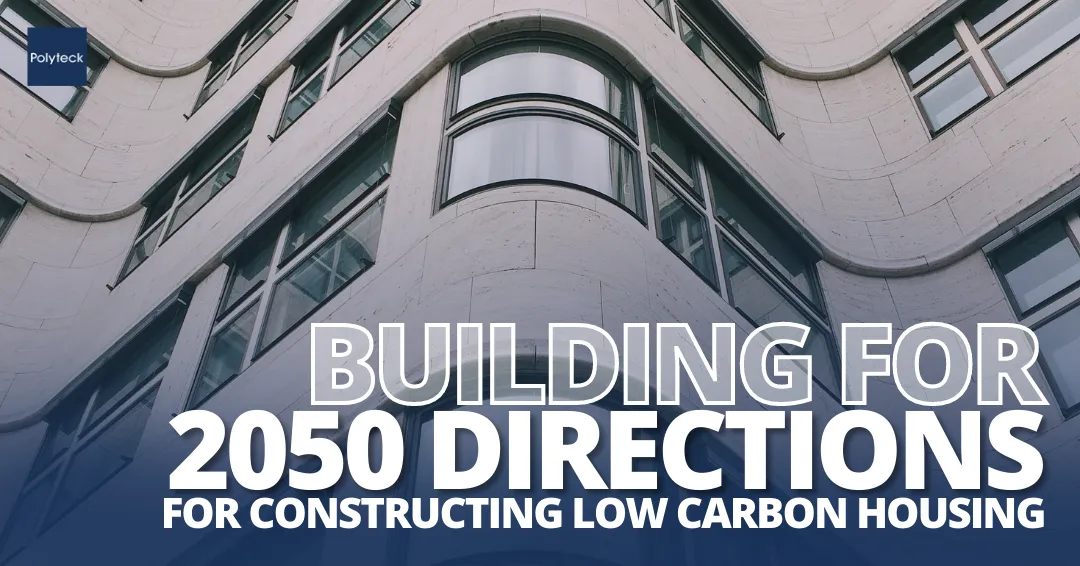
In the UK, the government’s net-zero strategy is under review for lack of a detailed enough approach and financial data to make it look feasible. While this is happening, the building and construction sector delivered the Building for 2050 report neatly detailing a path to low-carbon, low-cost construction. Exciting times lie ahead for building design and building technology. Read on to stay up-to-date with the trends.
Climate Change in the UK and the construction sector
The demand for house building rises in times of increased pressure for quicker and more cost-effective transition to climate-neutral industries. This poses unique challenges to the developers and builders of the 300 000 homes the UK needs to build each year to meet the current housing demand.

Following the recommendations from the IPCC report, Britain entered a legally binding agreement to become carbon-neutral until 2050. To reach this goal, the construction sector will need to adopt novel solutions to heating and powering buildings, which currently account for 40% of total energy use in the UK.
We need to make our buildings not only more energy-efficient but also do so at a lower cost in order to adapt to climate change. Intelligent building design and technological solutions aim to cut household energy bills, reduce energy demand and boost economic growth while staying on track with the carbon reduction targets.
Aims and objectives of Building 2050
The Building 2050 project aims to study the demand for low-cost and low-carbon buildings in the UK and to understand to what extent the construction sector can meet this demand. Addressing zero carbon targets on a national level means incorporating a localised vision and awareness for climate emergencies with a business vision spanning the entire supply chain in the building and construction sector. The current demand for urban homes needs to match real estate investments that meet ESG funding criteria. Finally, funding and investment for low-carbon technologies to be utilised in building maintenance and management are also inevitable.
What does this mean in practical terms for the construction sector to successfully meet the aims and objectives of the project? Embracing new technologies is not straightforward, as with every other innovation comes its fair share of marketing efforts to raise awareness and drive demand up.
How do we contribute to low-carbon construction?
For us at Polyteck adopting climate-friendly technologies has been part of our facility management process and partnership-building strategy before the first version of the UK’s net-zero strategy was published. We stay relevant in the building development field’s low-carbon discourse by utilising the latest and smartest technologies enabling low-cost energy-saving maintenance.
Through the strategic partnership with EnviroLogik, we ensure every property we develop, manage and maintain saves us unnecessary trips to the site, saves cost and prevents equipment failure before damage has incurred.

The future in the building sector
Reaching a sustainable, zero-carbon emission building sector in the UK is a long but possible journey, and in order to get there we must invest strategically, remain open to innovation, and look for opportunities for community building. The buildings of the future will be smart and efficient, built with IoT Remote Monitoring Solutions that enable real-time data collection from both indoor and outdoor sensors. Here at Polyteck, we believe this is achievable and are committed to helping society reach that future, utilising years of experience from both designing and implementing IoT solutions tailored to the exact needs of the industry and beyond. Read more about our IoT Remote Monitoring Solutions through our website and join us on this journey towards true sustainability.
IoT Remote Monitoring is revolutionizing the way that companies detect equipment defects. Sloane Avenue London’s IoT refrigerant pressure monitoring system notifies users when any irregularity occurs in the refrigerant tension, automatically analyzing the collected data and generating action plans to prevent future occurrences. Implementing IoT remote monitoring can make a great impact on your business due to early detection of damage or malfunction, resulting in lower maintenance costs and improved efficiency. Check out Sloane Avenue London’s sustainable solution to find out how IoT remote monitoring could transform your business today.