
A functional fire alarm system is a legal requirement, but installation alone is insufficient—it must be regularly tested and maintained. To ensure the safe evacuation of occupants and compliance with fire safety legislation, you must adhere to the appropriate testing schedules. Fire alarms must be tested at specific intervals based on the building type, in accordance with the Regulatory Reform (Fire Safety) Order 2005 (RRO) and BS 5839.
Beyond simply how often fire alarms should be tested, this guide covers key topics such as fire alarm maintenance requirements, UK fire alarm regulations, and commercial fire alarm maintenance.
Fire Alarm Testing Frequency and Requirements
How Often Should Fire Alarms Be Tested?
Fire alarms should be tested at three different intervals: weekly, quarterly/biannual, and annually. Each of these is mandatory for compliance with safety standards and ensuring that both occupants and buildings remain protected. While a weekly test can be conducted by a “responsible person,” our experience suggests that if you manage multiple buildings, outsourcing to a fire safety provider ensures consistency and accuracy.
According to BS 5839, the following schedule should be followed:
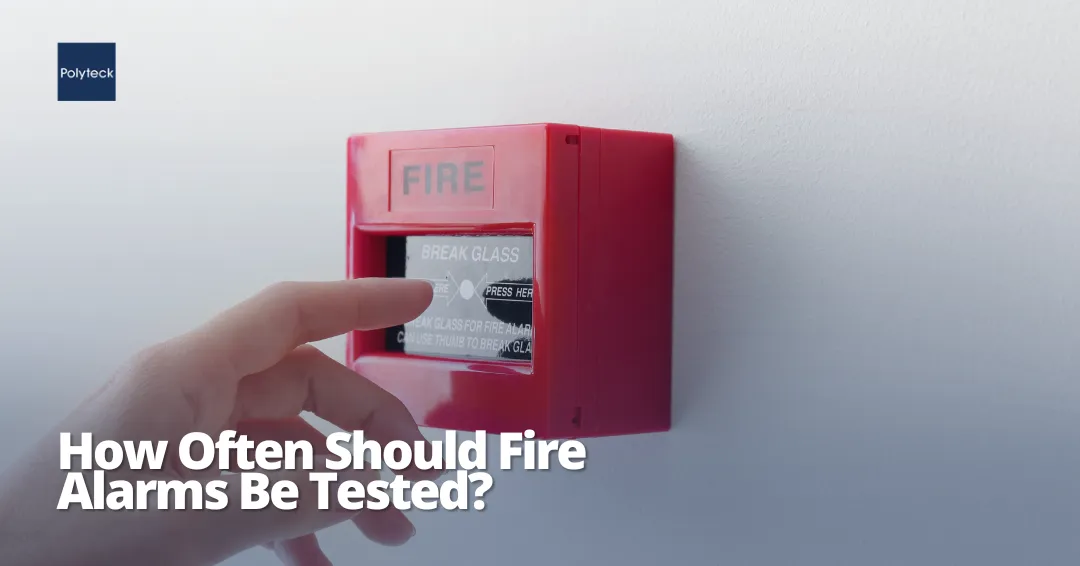
- Weekly Fire Alarm Test: Conducted by the “responsible person” or a fire safety provider. This test involves activating a different manual call point each week and ensuring the alarm system sounds and links correctly to the fire alarm panel. The results must be logged, including the location of the tested call point.
- Quarterly or Biannual Inspections: A qualified fire alarm engineer should perform these checks, testing all components of the system. The frequency depends on the size and complexity of the building.
- Annual Fire Alarm Inspection: This is a comprehensive system check, including heat and smoke detectors, manual call points, control panels, sounders, power supplies, wiring, and any linked systems such as automatic door release mechanisms. Engineers also assess compliance with current standards and any changes in building layout that could impact the system.
Fire Alarm Testing in Different Settings
Commercial Buildings
- Fire alarms must be tested weekly to ensure functionality.
- A different call point should be tested each week.
- Full system inspections should be conducted at least annually.
- All test results must be recorded in a fire safety logbook.
Residential Properties
- Homeowners should test fire alarms at least once a month.
- Landlords have a legal duty to ensure regular testing in rental properties.
- In shared residential buildings, a designated managing agent is usually responsible for testing alarms in common areas.
Specific Requirements
- The responsible person (such as a building owner or employer) must ensure compliance with fire safety regulations.
- Six-monthly inspections of fire alarm systems are legally required.
- BS 5839-6:2019 mandates that all fire alarms be tested weekly in relevant buildings.
By adhering to these schedules, property owners and facility managers can ensure their fire alarm systems remain compliant with UK fire regulations and provide effective protection in emergencies.
What Happens if a Fire Alarm Test Fails?
Only the weekly test can be conducted by the responsible person or a trained employee. If the alarm does not sound correctly or does not activate the control panel, you should immediately contact your fire safety provider for a thorough inspection.
According to BS 5839, the maximum interval between inspections should not exceed six months. Regular periodic servicing must be carried out by a competent person with specialist knowledge of fire detection systems, false alarm causes, and relevant legislation. If in-house staff are assigned to this task, they must possess the same level of expertise as professional fire alarm servicing engineers to maintain system integrity.
Key Takeaways
- Fire alarms should be tested weekly to ensure they function correctly.
- Fire alarm servicing must comply with UK fire safety guidelines.
- Testing requirements depend on the building type and its risk level.
- Fire alarm system inspections are legally required for commercial properties.
- Regular fire alarm maintenance ensures compliance with UK fire regulations.
Safety should never be compromised. Polyteck is BAFE-certified and has been managing fire safety systems in London since 2005.