
Why Fire and Safety is Crucial for Your Building: Key Points to Know
Fire and safety precautions are essential for any building in the United Kingdom. They can save lives and property, ensure regulatory compliance, improve reputation, and even lower insurance compensations. To ensure the safety and security of occupants and visitors, building owners and managers must prioritise fire and safety measures.
According to the UK government, there were 29,734 fires in England from April 2019 to March 2020, with 215 people killed and 5,243 injured. Proper fire and safety precautions can reduce the risk of fire-related fatalities and injuries while also minimising property damage.
A fire can cause significant financial losses by disrupting your business operations. According to the Business Sprinkler Alliance, the average cost of fire damage to a UK company is £71,000.
Investing in fire and safety measures can help a building’s reputation as a safe and secure place to live or work.
Top Causes of Fires in Buildings and How to Prevent Them
Building fires can occur for a variety of reasons, including human error, equipment malfunction, and natural disasters. But the most common causes of fire are electrical faults, kitchen fires and smoking.
Electrical faults are one of the leading causes of building fires. They can be caused by faulty wiring, overloaded circuits, or faulty electrical appliances. Regular electrical inspections by a qualified electrician are required to prevent electrical fires. Avoid overloading the electrical system and turn off appliances when you leave the house.

Kitchen fires can start when people leave cooking food unattended or use flammable materials near stovetops. To prevent kitchen fires, never leave cooking food unattended. Use cooking appliances that are in good working order, and never overload electrical outlets.
Another leading cause of building fires, particularly in residential buildings, is smoking. Smoking can start fires if cigarettes are discarded carelessly. It is best to avoid smoking indoors to avoid smoking-related fires.
Building owners and occupants must take the necessary precautions to avoid these causes, such as conducting regular inspections, safe cooking, avoiding smoking indoors, securing the building, and properly operating heating equipment.
Essential Fire Safety Equipment Every Building Needs to Have
Fire safety equipment is an essential aspect of any building’s safety measures. It helps to prevent and control fires, ensuring that people within the building can be alerted and evacuated in the event of a fire. Here is the main fire safety equipment:
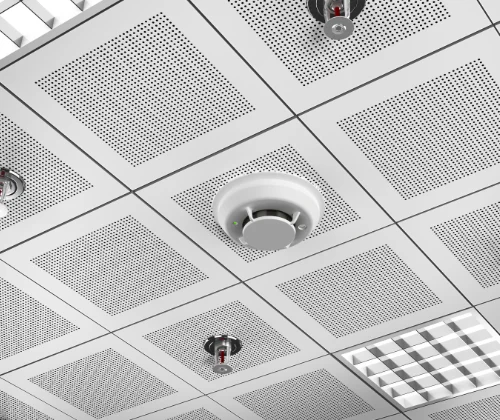
- Smoke detectors are electronic devices that detect the presence of smoke in a structure. When smoke is detected, the device sounds an alarm to alert people to the presence of a fire. They detect smoke particles in the air and sound an alarm when a certain level of smoke is detected. Smoke detectors can help prevent fires from becoming uncontrollable by detecting smoke early, which can significantly reduce property damage and save lives.
- Fire alarms are systems that detect a fire and notify building occupants to evacuate, can save lives and reduce property damage. These alarms can be activated manually or automatically by smoke detectors or sprinkler systems. Fire alarms are typically equipped with sirens and flashing lights and can be installed in a variety of locations throughout a building. Check out our Fire Alarm Services
- Fire extinguishers are portable devices that can be used to extinguish small fires. They contain chemicals or gases that can put out a fire by removing oxygen from it or cooling it down. This not only saves property but also saves lives by preventing the fire from spreading and causing harm to people. Fire extinguishers should be strategically placed in easily accessible locations throughout a building, and everyone in the building should know how to use them.
- Sprinkler systems are a network of pipes that contain pressurised water. In the event of a fire, heat sensors activate the sprinklers, causing water to be released onto the fire. They react quickly and effectively to a fire and can help prevent it from spreading and causing catastrophic damage. Sprinkler systems are commonly installed in commercial and large residential buildings, and they can be extremely effective at fire suppression. Check out our Fire Sprinkler Services
Expert Fire and Safety Tips to Keep Your Commercial or Residential Building Secure
Install smoke detectors: Smoke detectors are essential for providing early warnings in the event of a fire. Install them in all bedrooms, hallways, and common areas, and test them regularly to ensure they are working properly.
Have an escape plan: Make an escape plan with your family or coworkers and practise it regularly. Ascertain that everyone is aware of the exits and the designated meeting location outside.
Keep flammable materials away from heat sources: Curtains, paper, and clothing should be kept away from heat sources such as heaters, stoves, and lamps. Maintain a proper distance between them.
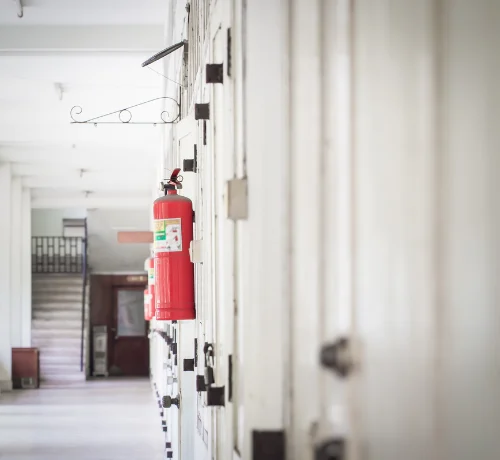
Keep fire extinguishers accessible: Install fire extinguishers in visible and easily accessible locations. Understand how to use them and keep them up to date and in good working order.
Turn off appliances: When not in use, turn off and unplug appliances. This reduces the possibility of electrical fires.
Check electrical cords and outlets: Inspect electrical cords and outlets for damage on a regular basis, and replace or repair any that are damaged.
Don’t overload outlets: Overloading outlets with too many devices can cause them to overheat and catch fire.
Practice kitchen safety: Cooking food should not be left unattended, flammable materials should be kept away from the stove, and all appliances should be turned off after use.
Stay alert: Maintain vigilance and awareness of your surroundings at all times. Inform your boss or owner of any potential fire hazards.
Educate yourself and others: Learn more about fire safety and pass this information on to others. Motivate your family or coworkers to take fire safety seriously and to make it a priority in your home or workplace.
Navigating Fire Safety Regulations and Standards: What You Need to Know
To keep their properties safe from fires, businesses and homeowners must follow a variety of regulations and standards.
- Regulatory Reform (Fire Safety) Order 2005 (UK): This order requires businesses and building owners to conduct a fire risk assessment of their premises, implement appropriate fire safety measures, and provide employees with information and training. The order covers all non-domestic properties as well as the common areas of flats and houses with multiple occupations.
- Building Regulations (UK): The Building Regulations establish a framework for building design and construction, including fire safety measures. Buildings must be designed and built to limit the spread of fire and provide means of escape in the event of a fire, according to the regulations.
To reduce the risk of fires and keep people safe, businesses and homeowners must stay up to date on these regulations and standards and ensure that their properties comply.
Stay Safe with Polyteck’s Fire and Safety Protection Solutions for Your Building
Fire safety is essential for all buildings, whether commercial or residential. It is critical to follow all applicable regulations and standards to keep your property safe from fires.
Prioritising fire safety and taking the necessary precautions to protect your building and its occupants from the devastating effects of fires is critical.
Polyteck is an experienced company with huge commercial and high-end residential buildings. We helped many property owners in London improve their safety and security by ensuring fire safety. Polyteck has a team of experts who can provide customised fire safety solutions for your building. We also provide installation, ongoing maintenance, and repair to ensure that your fire safety systems are always operational.