

Preventative maintenance (PM) is a proactive strategy designed to keep equipment in good condition through regular inspections and servicing. This approach reduces the risk of unexpected breakdowns and the high costs of urgent repairs. With a structured maintenance schedule, contractors can consistently check the condition of equipment and building systems, catching potential issues early.
Planning maintenance activities ahead of time helps businesses minimise unplanned downtime and keep operations running smoothly. Common issues, such as HVAC malfunctions, blocked drains, or broken doors, can often be prevented with regular upkeep. In particular, maintaining essential equipment like chillers, boilers, and pumps is crucial, as these systems are expensive to replace if they fail unexpectedly. A good preventative maintenance program can extend the life of these assets, saving building managers from costly, unplanned replacements.
Types of Preventive Maintenance and Examples
Planned Preventive Maintenance (PPM)
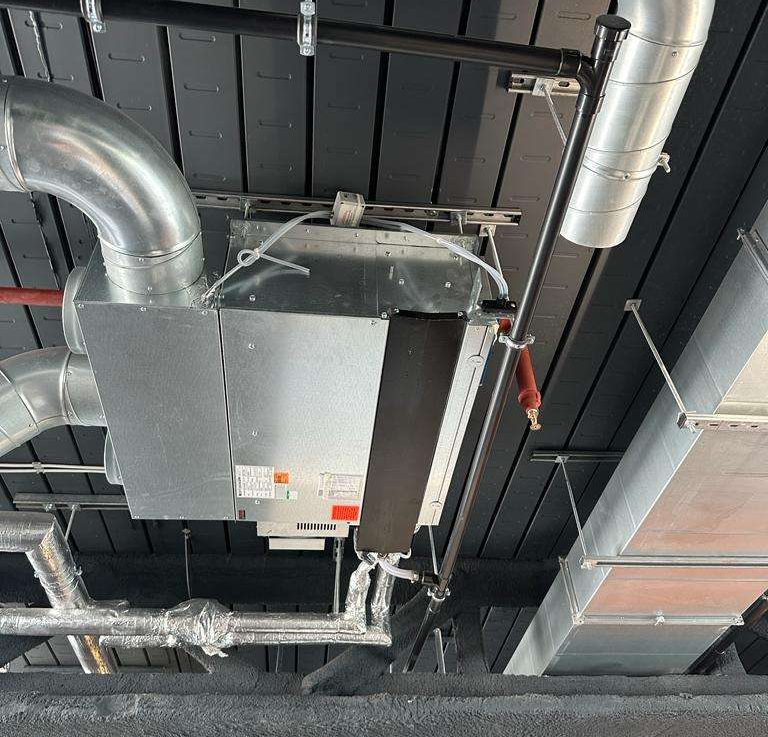
Planned preventative maintenance (PPM) is a widely used approach to maintaining assets. This strategy involves scheduling tasks at set intervals ensuring equipment is inspected and serviced regularly to prevent breakdowns. Unlike reactive maintenance, which only addresses issues after they occur, PPM proactively keeps equipment in top condition. By conducting periodic inspections, facility managers help ensure critical systems such as HVAC, fire safety equipment, and electrical installations are safe and efficient. To make PPM even more effective, many managers combine it with condition-based or predictive maintenance. When supported by staff training, data analysis, and accurate documentation, PPM significantly reduces downtime and maintenance costs.
Predictive Maintenance (PdM)
Predictive maintenance (PdM) uses data to forecast when equipment might fail, allowing maintenance to be scheduled before problems arise. Sensors monitor equipment conditions, gathering data on factors like performance and wear patterns. Software then analyses this information to identify trends and predict possible failures. Acting on these insights enables businesses to prevent downtime, reduce emergency repair costs, and extend the life of their assets. PdM, therefore, not only cuts costs but also improves productivity. A well-implemented predictive maintenance program keeps operations running smoothly and enhances both staff and customer satisfaction.
Condition-Based Maintenance (CBM)
Condition-based maintenance (CBM) assesses the actual condition of equipment to decide when maintenance is necessary. This approach uses sensors to track key indicators of wear and performance. Instead of following a fixed schedule, maintenance is performed only when certain thresholds are reached. CBM reduces unnecessary maintenance tasks and helps prevent unexpected failures by relying on real-time data. This approach makes resource use more efficient, saving costs while boosting equipment reliability and operational efficiency.
Preventive Maintenance Scheduling
Preventive maintenance scheduling involves planning regular maintenance tasks to keep equipment and facilities in good condition. This process includes setting specific times for inspections, servicing, and repairs. By adhering to a schedule, organisations can reduce the risk of unexpected breakdowns and extend the life of their assets. Scheduled maintenance helps identify potential issues early, allowing for timely interventions. This proactive approach minimises downtime and improves overall efficiency. Implementing a preventive maintenance schedule not only saves costs but also enhances safety and reliability for both staff and customers. Proper planning leads to smoother operations and increased satisfaction.
Benefits of Preventive Maintenance
-
-
- Extends Equipment Lifespan: Proactively addresses issues to prevent failures and costly replacements.
- Reduced Downtime: Minimises unplanned downtime, maintaining operational continuity and productivity.
- Cost Reduction: Long-term savings by preventing emergency repairs and optimising resource allocation.
- Boosted Productivity: Ensures efficient operation of equipment, leading to increased output and a more effective workplace
-
Comparison of Maintenance Strategies
| Maintenance Strategy | Description | Pros | Cons |
| Planned Preventive Maintenance (PPM) | Scheduled maintenance activities at fixed intervals or based on usage. | Cost-effective for predictable failures, improves equipment lifespan, reduces unplanned downtime, and aids regulatory compliance. | It may lead to over-maintenance, doesn’t address hidden issues, and needs to be more flexible to changing equipment conditions. |
| Condition-Based Maintenance (CBM) | Maintenance triggered by real-time equipment condition monitoring. | Optimises maintenance intervals, reduces unnecessary maintenance, and increases equipment reliability. | It requires investment in monitoring technology, may be complex to implement, and is unsuitable for all equipment types. |
| Predictive Maintenance (PdM) | Utilises data analytics to predict equipment failures before they occur. | Further optimises maintenance timing, minimises downtime, maximises equipment uptime, and potential for cost savings. | High initial investment in technology and expertise, data quality and analysis is crucial for accuracy. |
| Reactive/Corrective Maintenance | Repairs are carried out after a failure or breakdown has occurred. | Simple to implement, with no upfront costs for planning or technology. | There is a high risk of unplanned downtime, the potential for secondary damage, increased repair costs, and safety risks. |
Tools and Technologies
Preventative maintenance relies on advanced tools and technologies to enhance efficiency. Computer-Aided Facilities Management (CAFM) systems are critical for organising and tracking maintenance activities, as they ensure that each task is logged for future reference. A CAFM platform consolidates all schedules, call-outs, quotes, and invoices into a single profile, allowing full visibility of site data.
IoT devices also play a pivotal role in facility management by offering real-time monitoring of systems such as HVAC, water, and energy. Sensors track variables like temperature and humidity, spotting irregularities that could indicate potential problems. These early alerts allow maintenance teams to address issues before they disrupt operations, effectively reducing downtime. IoT-integrated systems support data-driven decisions, promoting an efficient and sustainable environment.
Upfront Costs
Implementing a preventive maintenance program involves upfront costs, which may seem high at first glance. This long-term strategy allows an FM provider to plan and allocate hours and resources based on the specific requirements of a building and its equipment. Although initial expenses might appear higher compared to reactive call-outs, annual maintenance costs are typically reduced by more than 15% with preventive measures. Additionally, the likelihood of equipment requiring unplanned repairs decreases significantly—by as much as 30% to 50%, according to industry data. This proactive approach not only lowers unexpected costs but also extends the lifespan of assets, helping facilities maintain consistent performance and operational stability throughout the year.
Optimised Resource Allocation in Preventative Maintenance
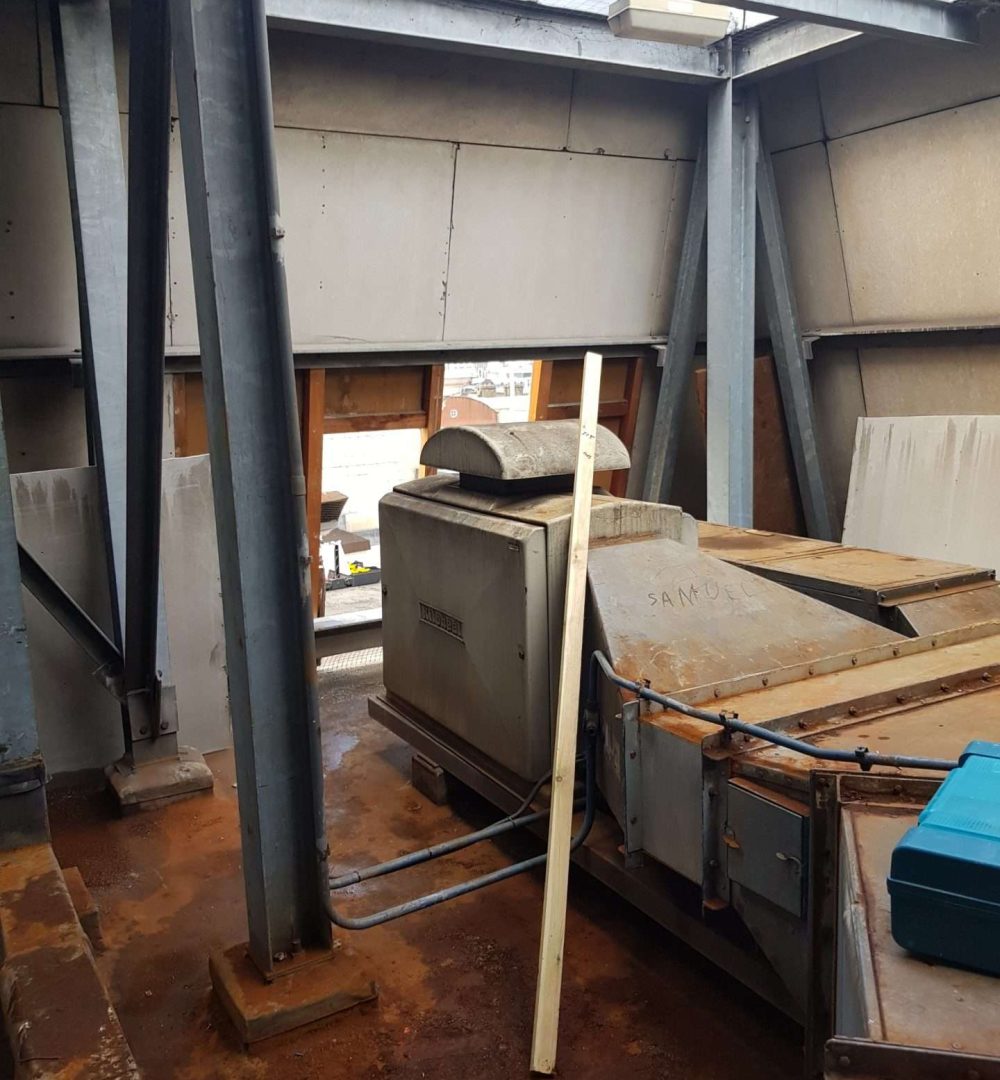
Efficient resource allocation is crucial for preventative maintenance, as it ensures that labour, materials, and time are used effectively. By scheduling maintenance in advance, facility managers can distribute workloads more evenly and reduce personnel strain. This approach minimises overtime costs and keeps inventory levels balanced, avoiding the high costs of last-minute orders. Aligning resources with a preventative maintenance schedule increases equipment reliability, reduces downtime, and keeps maintenance within budget. With a structured use of resources, businesses can create a safer and more productive environment, meeting both operational and financial goals.
Choosing the Right Approach
Implementing a well-structured preventative maintenance program can transform your facility’s efficiency, extend the lifespan of your assets, and keep operational costs in check. With proactive maintenance strategies, advanced tools, and optimised resource allocation, Polyteck can help you achieve seamless facility management tailored to the specific needs of your building and equipment. Our expertise ensures that your systems stay reliable, safe, and efficient year-round. For a consultation on how Polyteck’s preventative maintenance solutions can benefit your facilities, contact us today to explore a custom maintenance plan that meets your operational goals and budget.