

Zero Waste Week is a significant movement supporting the global goal of achieving Net Zero Carbon (NZC) targets by 2050. This initiative is vital for building owners as it presents opportunities to minimise waste and lower carbon emissions. Facilities maintenance providers are crucial in this transition, offering tailored solutions that enhance sustainability efforts. They assist building owners in navigating the complexities of energy management, waste reduction, and green technology adoption, ensuring that each step contributes to a sustainable future. By integrating Zero Waste principles, building management can make substantial progress toward their NZC goals, benefiting both the environment and operational efficiency.
The Role of Zero Waste Week in Building Management
Zero Waste Week acts as a powerful catalyst, prompting building management to shift from traditional waste disposal towards a circular economy mindset. By embracing the principles of reduce, reuse, and recycle, organisations not only minimise landfill waste but also significantly decrease the energy consumption associated with production, transportation, and disposal processes.
This approach goes beyond simple eco-consciousness; it’s a strategic move towards Net Zero Carbon targets. It underscores the often-overlooked connection between waste and energy, highlighting how responsible waste management directly contributes to a reduced carbon footprint. By prioritising waste reduction, building management can create a more sustainable and resilient built environment, paving the way for a greener future.
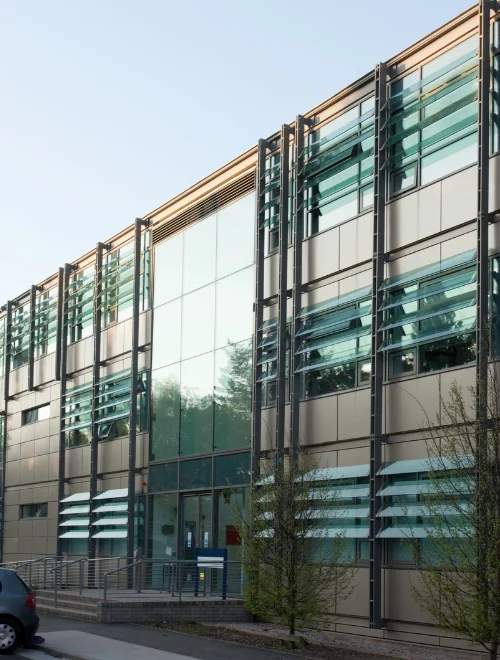
How a Facilities Maintenance Provider Can Help Building Management to Reach 2050 NZC
FM providers are key partners in helping building management achieve Net Zero Carbon targets. They go beyond repairs, conducting energy audits to pinpoint inefficiencies and recommend solutions for significant energy reductions. Their expertise extends to implementing renewable energy solutions like solar panels and optimising HVAC systems for both comfort and efficiency.
This strategic approach tackles immediate concerns while building a foundation for long-term carbon reduction. Navigating complex sustainability regulations and technologies provides a clear roadmap for building owners to reach 2050 NZC goals, turning aspirations into tangible results.
The role of renewable energy:
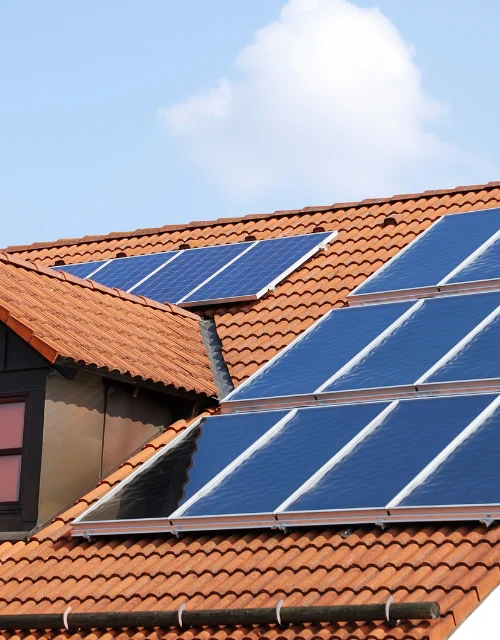
Integrating renewable energy is a game-changer, and it is more than installing solar panels on the rooftop. Facilities maintenance providers bring critical expertise to make it work seamlessly. They assess a building’s energy profile and structural quirks to identify the right renewables, whether it’s rooftop solar, geothermal, or even small-scale wind if conditions allow. They also navigate the complex permitting and installation process, ensuring it’s done safely and to code. Critically, they can integrate these renewable systems with the building’s BMS for intelligent control and optimisation, further enhancing efficiency and cost savings. Beyond installation, maintenance pros are key to optimising system performance, proactively identifying issues and maximising energy yields. They can leverage smart technology for real-time optimisation and explore solutions like battery storage for enhanced energy autonomy.
Water conservation:
Water conservation is a crucial yet often overlooked aspect of sustainable building management. More than saving water, it’s about reducing energy consumption tied to water treatment and distribution, lowering utility costs, and demonstrating environmental responsibility. Facilities maintenance providers are essential in this effort. They can identify water waste hotspots through audits, install water-efficient fixtures and appliances, and implement smart irrigation systems that respond to weather and soil conditions. They can also leverage leak detection technology to prevent costly water losses and educate building occupants on water-saving practices.

Importance of ongoing monitoring and maintenance:
Proactive monitoring and maintenance strategies not only optimise building system performance and ensure operational efficiency but also contribute to reduced energy consumption, lower carbon emissions, and extended equipment lifespans, resulting in significant cost savings and environmental benefits for building owners and operators.
Facilities maintenance providers are instrumental here. They can leverage smart technology to track real-time performance data, identify anomalies early, and perform preventive maintenance before issues escalate. They can also fine-tune systems based on occupancy patterns and weather conditions, ensuring comfort while minimising waste. It’s about staying ahead of the curve, not just reacting to it, to keep buildings performing their best and contributing to a net-zero future.
Specific technologies:
Smart thermostats, occupancy sensors, and building automation systems are powerful tools in the fight against energy waste. Think of them as the brains behind a smarter building, making decisions based on real-time data to optimise energy use without sacrificing comfort.
Facilities maintenance providers can install and fine-tune these technologies to ensure they work seamlessly with existing systems. Smart thermostats learn occupancy patterns and adjust temperatures accordingly, preventing overcooling or overheating empty spaces. Occupancy sensors trigger lighting and HVAC systems only when needed, cutting down on wasted energy. And building automation systems tie it all together, creating a network of intelligent devices that communicate and coordinate to create the most efficient environment possible.
Ensuring Occupant Comfort While Reducing Emissions
Balancing occupant comfort with emissions reduction is a challenging task. Facilities maintenance providers can enhance efficiency by fine-tuning HVAC systems to operate optimally without compromising comfort. Smart building technologies, including IoT devices and AI-driven systems, facilitate real-time adjustments based on occupancy and external conditions, thus optimising energy use. This approach allows buildings to maintain comfortable indoor environments while significantly lowering their carbon footprint, demonstrating that sustainability and comfort can coexist.
The Impact of Sustainable Materials on Carbon Footprint
Selecting sustainable materials is a critical strategy for diminishing a building’s carbon footprint. Facilities maintenance providers guide building owners in choosing low-carbon materials, such as recycled or sustainably sourced options, which contribute to NZC goals. Life Cycle Assessments (LCAs) are vital tools that provide insights into the environmental impacts of materials throughout their lifespan. By prioritising materials with minimal carbon footprints, building owners can make substantial strides toward sustainability, reducing emissions and enhancing the building’s long-term value in alignment with future regulatory requirements.

What Role Does Occupant Feedback Play in Reducing Energy Consumption?
Occupant feedback provides invaluable insights for enhancing energy efficiency and promoting sustainability within buildings. Facilities management can optimise building systems and operations by actively gathering and analysing occupant experiences and preferences. Understanding occupant behaviours allows for fine-tuning lighting and HVAC systems, ensuring optimal comfort while minimising energy waste. Additionally, real-time feedback mechanisms can empower occupants to actively participate in energy conservation efforts actively, fostering a culture of sustainability that aligns with Net Zero Carbon objectives. In essence, occupant feedback transforms passive users into informed partners in achieving a more energy-efficient and environmentally responsible built environment.
The Future of Facilities Maintenance in a Net Zero World
The future of facility maintenance will be shaped by innovations that prioritise sustainability. Emerging technologies, such as advanced automation and AI, will facilitate more precise control over building systems, further decreasing energy consumption and emissions. Additionally, evolving building codes and standards will increasingly require compliance with NZC targets, compelling facilities maintenance providers to stay ahead of regulatory changes. As the industry evolves, these providers will be pivotal in guiding building owners through this transition, ensuring that buildings not only meet but exceed sustainability expectations. The transformation of facility maintenance is about more than upkeep; it is about creating efficient and sustainable models for the future.